

“Find Your Popcorn”: Advice from a Current Editor
by Jay Johnson
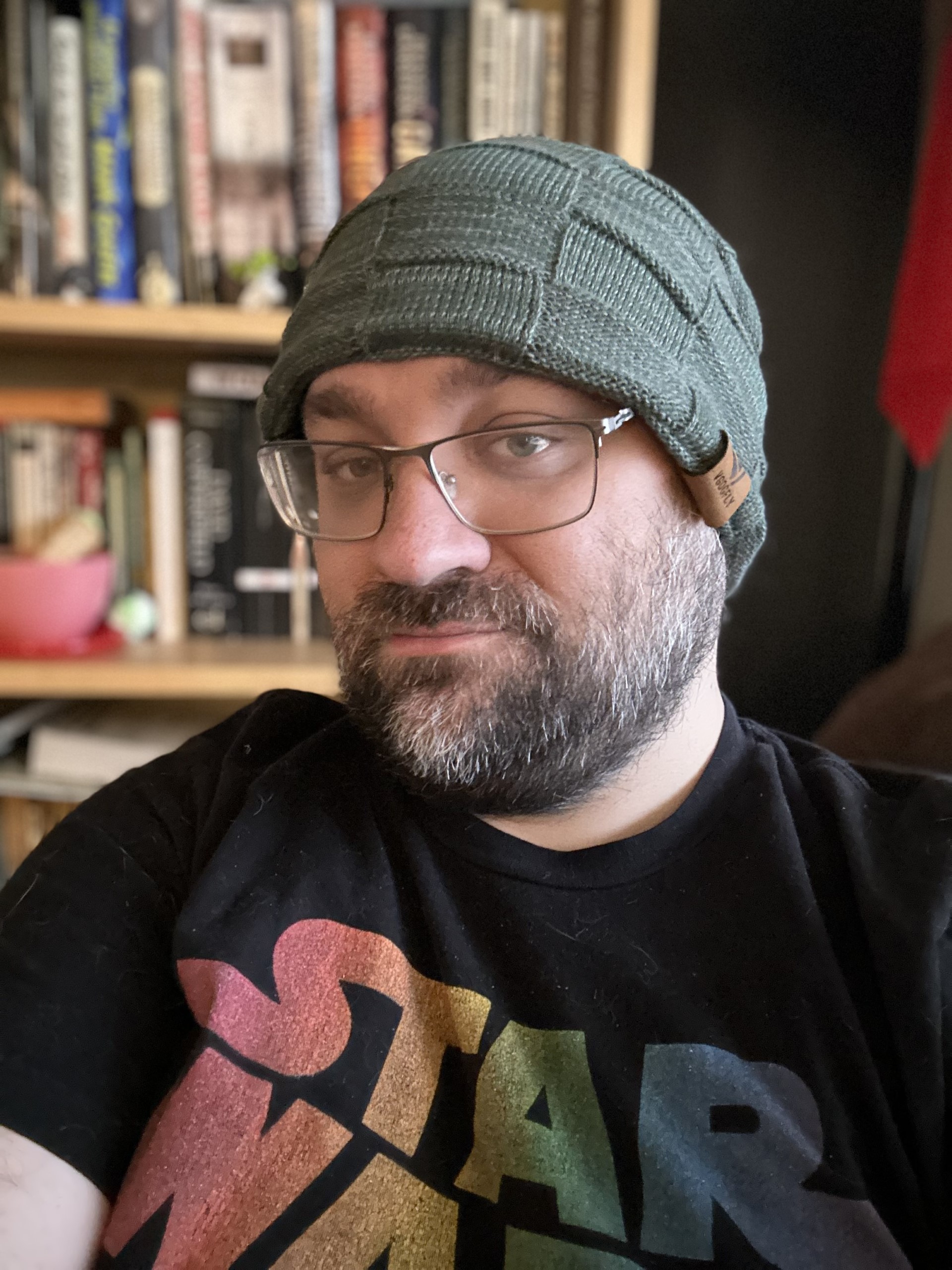 When asked for his main advice to an aspiring editor, Jim McNierney says, “You should
get to the point where you couldn’t afford yourself.” He’s a senior tech writer at
World Wide Technology (WWT), with past freelancing experience.
When asked for his main advice to an aspiring editor, Jim McNierney says, “You should
get to the point where you couldn’t afford yourself.” He’s a senior tech writer at
World Wide Technology (WWT), with past freelancing experience.
At first, McNierney had plans to become an educator. Like many people, he changed tracks when he realized that tech writing would simply pay more. That said, he does enjoy his job, which he figured out during his freelancing days. He says he was surprised at how much he liked doing technical writing and editing.
McNierney’s job can be best summed up by the tagline of WWT: “bringing clarity and comprehension to complex ideas.” In other words, he takes technical documents and through writing and editing, he makes them understandable for others to use. While the amount of actual editing varies—one project he was on had 24,000 pages to work on—he says a bare minimum of fifty percent of his job is editing.
Among the things he likes about his job is that he gets to work on “cool” projects. He said that he’s “made apps you’ve probably used” but he was unable to give the specifics. In that way, he likes knowing that the projects he works on will be used by others. McNierney also finds enjoyment in the mentorship and leadership aspect of his senior writer position. Being able to guide others is something he finds gratification in as part of his job.
Like most people, he isn’t without his issues with his profession. The big one, he says, is that many clients “don’t understand the inherent value in having a tech writer on a project.” It’s hard to sell the need for a tech writer as opposed to just having the developers, which often comes from the fact that many clients simply do not want to pay for the writer in the first place.
When he does have a project, McNierney’s editing process is fairly straightforward. One thing he does is disconnecting himself from the project—he looks at it as something to be honed, and doesn’t allow himself to get too attached to a piece. In doing so, he edits sentences in isolation, moves whole paragraphs around, and doesn’t read consecutively in order to read closer. To do these edits, he only does so electronically; he admitted his handwriting is “atrocious.”
McNierney tries to keep his work to one project at a time so that he can go through his process as usual. If he does have multiple projects to keep track of, he tends to stick to whichever one has the strictest deadline. His advice about juggling projects was to not be afraid to communicate if you need more time, as if you truly can’t do something in the original deadline, it’s better to have an honest conversation about it rather than panic and wait.
While working on any projects, there comes the inevitability of dealing with other writers and clients. He described the process as being like being asked to find someone a rock. They won’t know what kind of rock they want specifically until you show them the first one you find—maybe they want a bigger rock or a rock of a different color, so you go find them a new rock until you get them the one they actually want.
Editing and writing present a similar scenario. The people you’re working with won’t truly know what they want until you’ve made something that they don’t want. When McNierney was still a freelancer, he would often step back if clients didn’t like what he handed in. Now that he’s a professional, however, he tends to stand his ground when it comes to his writing and edits. At the end of it all, though, he just wants to make sure he’s the last person to touch a document.
From his days as a freelancer, he had a few pieces of advice. The first step to freelancing seriously is to know someone who needs editing. For college students, he suggested looking for PhD students or even professors who need their writing edited. He also mentioned how there are several organizations a budding freelancer could join, such as the Editorial Freelancer Association. The EFA itself is not free, and while he said he didn’t get much work through it, he said he learned about the art of editing itself.
Freelancing has its pros and its cons, according to McNierney. On the good side, there isn’t the need to find a company to hire you; you just find someone who needs the work done and you do it. This work can be at your own pace and your own price, but McNierney says that making your own hours and naming your own price is a double-edged sword. A big piece of advice he gave on that was to get to the point where “you couldn’t afford yourself”—if a company needs you, they’ll pay your rates.
The major downside to freelancing he mentioned was the fact that freelancing means a lot of job insecurity. You always need another job lined up; you don’t have the consistency you would if you were in a traditional job. When you’ll get paid next is always up in the air as well. On that note, even if he says that writers and editors need to charge what they’re worth, he reiterated that some employers will simply not want to pay your rate. In those cases, he says to just let them go, and find someone who will.
Like the tech field, his job has evolved over time. When he first entered tech writing, all he did was documentation, but since then he has moved onto various other kinds of projects. The very nature of his career has changed as well, including the need to look into generative AI. McNierney compared AI to a microwave: you can’t cook a steak in a microwave, but you can make popcorn in one, so “find the popcorn.” In other words, he suggests writers and editors find whatever little ways they can use AI as a tool to help their work. He doesn’t believe that editors will be fully replaced, just that they need to adapt.
In closing, McNierney’s overall advice to budding writers and editors is that even if it’s a “tough market” nowadays, you shouldn’t stop trying. He likened the process of finding a job to a job itself. His final piece of advice is to keep writing and editing even when you’re not actively employed (such as the blog he ran when he was unemployed).
Jay Johnson is a senior English major with a focus on professional writing and editing. They're not sure what they want to do with their future yet.